
Why Professional Electrical Work Matters During Home Renovations
May 18, 2026Home renovations are exciting because they transform outdated spaces into more functional, modern, and comfortable environments. However, one of the most important and often underestimated parts of any renovation is the electrical system. Behind new lighting, updated kitchens, smart appliances, and improved layouts lies a complex network that must be installed correctly to ensure safety and long-term reliability.
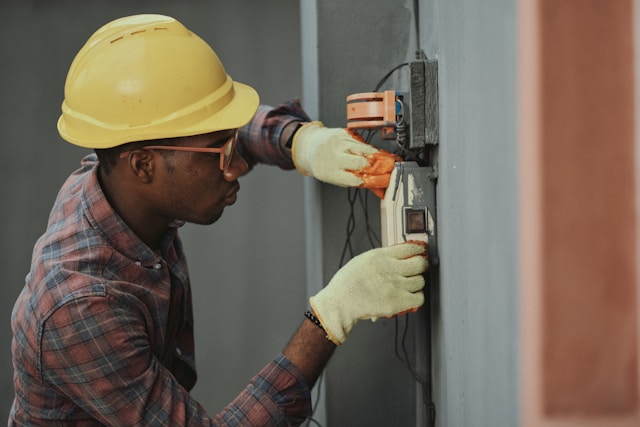
The keyword “Why Professional Electrical Work Matters During Home Renovations” highlights a critical truth in construction and remodeling: electrical systems are not just functional components, but essential safety infrastructure that must be handled with precision and expertise.
At the core of this topic is Electrical Contracting, which ensures that all wiring, systems, and upgrades are completed safely, legally, and efficiently.
The Importance of Electrical Work in Home Renovation
Electrical systems power nearly every modern convenience in a home—from lighting and appliances to internet connectivity and HVAC systems. During renovations, these systems are often modified, expanded, or completely redesigned.
Proper electrical work is essential because it:
- Ensures the safety of homeowners and occupants
- Prevents electrical fires and hazards
- Supports modern appliance and technology usage
- Maintains compliance with building regulations
- Improves energy efficiency and system performance
Unlike cosmetic upgrades, electrical work directly affects the structural safety of a home, making it one of the most critical aspects of renovation planning.
Electrical Safety Standards and Why They Matter
One of the key reasons professional electricians are required is compliance with Electrical Safety Standards.
These standards exist to reduce risks such as:
- Electrical shock
- Fire hazards
- Overloaded circuits
- Faulty wiring systems
Professional electricians are trained to follow strict codes that ensure every wire, outlet, and circuit meets safety requirements. These standards are regularly updated to reflect new technologies and construction practices, making professional expertise essential.
Understanding Home Electrical Wiring Systems
A major part of any renovation involves updating or modifying Home Electrical Wiring.
Wiring systems are responsible for distributing electricity throughout the home safely and efficiently. During renovations, electricians may need to:
- Replace outdated wiring
- Add new circuits for appliances
- Re-route electrical lines for redesigned spaces
- Upgrade capacity for modern energy demands
Older homes, in particular, often have wiring that cannot support today’s electrical load, making upgrades necessary during remodeling projects.
Circuit Breaker Panels and System Protection
Another essential component of electrical renovation work is the Circuit Breaker Panels.
These panels act as the control center of a home’s electrical system. They distribute electricity to different areas while protecting the system from overloads.
During renovations, professionals often:
- Upgrade outdated breaker panels
- Add new circuit breakers for additional rooms or appliances
- Balance electrical loads across circuits
- Improve overall system capacity
Without proper panel upgrades, renovated homes may experience frequent power trips or safety hazards.
Ground Fault Protection and Electrical Safety Devices
Safety devices like the Ground Fault Circuit Interrupter play a crucial role in protecting homeowners.
These devices are especially important in areas such as:
- Kitchens
- Bathrooms
- Laundry rooms
- Outdoor outlets
They work by quickly shutting off power when a ground fault is detected, preventing electrical shock or injury. During renovations, electricians ensure these systems are properly installed and functioning according to code.
Why DIY Electrical Work Is Risky
Many homeowners consider doing electrical work themselves to save money, but this approach can lead to serious risks. Unlike painting or flooring, electrical systems require technical training and code knowledge.
Common risks of DIY electrical work include:
- Incorrect wiring connections
- Fire hazards due to overloaded circuits
- Electric shock injuries
- Code violations leading to failed inspections
- Expensive future repairs
Even small mistakes can have dangerous consequences, which is why professional involvement is strongly recommended.
Home Renovation and Electrical Planning
Electrical work is closely tied to overall Home Renovation planning. Every design change in a home can impact electrical requirements.
For example:
- Expanding a kitchen requires additional outlets and circuits
- Adding a home office requires dedicated power for computers and equipment
- Installing new lighting systems requires wiring adjustments
- Creating open-concept spaces may require relocating switches and outlets
Proper planning ensures that electrical systems align with architectural and design changes.
Building Codes and Legal Compliance
Electrical work must follow strict Building Codes.
These codes ensure:
- Safe installation practices
- Proper system load management
- Fire prevention measures
- Compliance with local regulations
Failure to follow building codes can result in:
- Failed inspections
- Fines or penalties
- Insurance issues
- Required reconstruction work
Professional electricians are trained to understand and apply these codes correctly during renovation projects.
Permit and Inspection Requirements
Most electrical renovations require approval through the Permit Inspection Process.
This process typically involves:
- Submitting renovation plans for approval
- Scheduling inspections during and after installation
- Ensuring all work meets safety standards
- Receiving final certification for completed work
Permits protect homeowners by ensuring that electrical systems are properly installed and legally compliant.
Role of Remodeling Contractors in Electrical Work
During renovations, electricians often collaborate with Remodeling Contractors.
Contractors help coordinate:
- Construction timelines
- Electrical system integration
- Structural modifications
- Coordination between different trades
This teamwork ensures that electrical systems are properly integrated into the overall renovation plan without delays or conflicts.
Modern Electrical Upgrades in Renovated Homes
Today’s renovations often include advanced electrical improvements that support modern lifestyles.
Smart Home Integration
Smart Home Electrical Systems are becoming standard in renovated homes. These systems allow homeowners to control:
- Lighting
- Temperature
- Security systems
- Appliances
Energy Efficiency Improvements
Energy Efficient Wiring help reduce utility costs while improving sustainability.
Common upgrades include:
- Efficient circuit layouts
- Reduced energy loss systems
- Modern insulation techniques for wiring
Lighting Modernization
LED Lighting Systems are frequently installed during renovations because they:
- Use less energy
- Last longer than traditional bulbs
- Provide better lighting quality
- Reduce long-term maintenance costs
Electrical Load Capacity and System Performance
One of the most important technical considerations in renovation work is Electrical Load Capacity.
When upgrading a home, electricians must calculate:
- Total power demand of appliances
- Circuit distribution requirements
- Future expansion needs
- Safety margins for overload prevention
If a system is overloaded, it can lead to frequent breaker trips or dangerous electrical failures.
Benefits of Hiring Professional Electricians
Hiring licensed professionals ensures that electrical work is completed safely and efficiently.
Key benefits include:
- Code-compliant installations
- Reduced safety risks
- Long-term system reliability
- Faster project completion
- Access to professional tools and expertise
Professionals also provide warranties and accountability, which DIY work cannot offer.
How Electrical Work Improves Home Value
Proper electrical upgrades can significantly increase property value. Buyers often prioritize homes with:
- Updated wiring systems
- Modern electrical panels
- Smart home capabilities
- Energy-efficient lighting
- Safe and inspected installations
A well-executed electrical renovation makes a home more attractive in the real estate market.
Conclusion
Electrical work is one of the most important elements of any home renovation, yet it is often overlooked in favor of visible design upgrades. The keyword “Why Professional Electrical Work Matters During Home Renovations” emphasizes that safety, functionality, and long-term reliability all depend on proper electrical planning and execution.
From wiring and breaker panels to smart systems and energy efficiency upgrades, every aspect of a renovation relies on expert electrical work. By working with licensed professionals and following safety standards and building codes, homeowners can ensure their renovated spaces are not only beautiful but also safe, efficient, and built to last.