
Houston Siding Replacement Guide: Protecting Your Home from Texas Weather
February 16, 2026Houston homeowners face a unique combination of environmental challenges that make siding replacement more than just a cosmetic upgrade. From intense summer heat and humidity to heavy rainfall, hurricanes, and occasional cold snaps, Texas weather can take a serious toll on your home’s exterior.
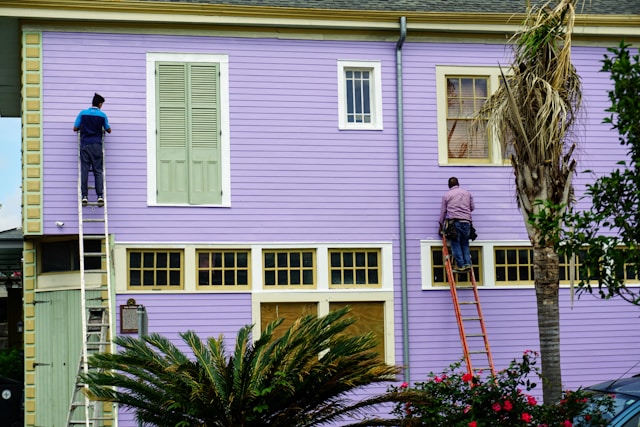
If your siding is cracked, warped, faded, or showing signs of moisture damage, it may be time to consider replacement. In this comprehensive guide, we’ll explore why siding matters in Houston, the best materials for the climate, warning signs to watch for, cost considerations, and how to choose the right contractor for your project.
Why Siding Matters in Houston’s Climate
Houston’s climate is classified as humid subtropical. That means:
- Long, hot summers
- High humidity levels
- Frequent heavy rainstorms
- Hurricane exposure
- Occasional winter freezes
Your siding acts as the first line of defense against all of these elements.
Key Functions of Siding
- Moisture Protection – Prevents water intrusion that leads to mold, rot, and structural damage.
- Energy Efficiency – Helps regulate indoor temperature and reduce cooling costs.
- Structural Protection – Shields framing and insulation from wind and impact.
- Curb Appeal – Enhances property value and aesthetic appeal.
- Pest Prevention – Seals vulnerable areas from insects and rodents.
In Houston, moisture resistance and durability are especially critical. Poor-quality or aging siding can allow water to seep behind walls, causing long-term damage that may go unnoticed for years.
Common Signs You Need Siding Replacement
Many homeowners delay siding replacement because damage develops gradually. However, early intervention prevents costly structural repairs later.
Visible Warning Signs
- Cracks, holes, or warping
- Bubbling or blistering panels
- Loose or missing boards
- Faded or peeling paint
- Mold, mildew, or algae growth
Hidden Warning Signs
- Rising energy bills
- Interior wall moisture or stains
- Musty odors
- Soft spots in exterior walls
Houston’s humidity accelerates deterioration. If your siding is over 15–20 years old, it’s wise to schedule a professional inspection.
Best Siding Materials for Houston Homes
Not all siding materials perform equally in Southeast Texas. Durability, moisture resistance, and wind tolerance should be top priorities.
Below is a comparison of popular siding options for Houston homeowners:
| Siding Material | Durability in Houston Climate | Maintenance Level | Energy Efficiency | Average Lifespan | Best For |
|---|---|---|---|---|---|
| Fiber Cement | Excellent (resists moisture & heat) | Low | High | 30–50 years | Long-term durability |
| Vinyl | Good (heat-resistant options available) | Very Low | Moderate | 20–30 years | Budget-friendly upgrades |
| Engineered Wood | Good (when properly sealed) | Moderate | High | 20–30 years | Traditional appearance |
| Brick Veneer | Excellent | Very Low | High | 50+ years | Luxury and longevity |
| Stucco | Moderate (can crack in moisture) | Moderate | High | 20–40 years | Modern aesthetics |
Why Fiber Cement Is Popular in Houston
Fiber cement siding is especially popular in the Houston area because it:
- Resists moisture and humidity
- Withstands high winds
- Is fire-resistant
- Doesn’t attract termites
- Mimics wood without rot risk
For many homeowners seeking durability and value, fiber cement provides an ideal balance.
How Texas Weather Impacts Your Siding
1. Extreme Heat
Houston summers often exceed 90°F for extended periods. Prolonged heat exposure can cause:
- Warping in lower-quality vinyl
- Paint fading
- Expansion and contraction stress
High-quality installation and proper expansion spacing are essential.
2. Heavy Rainfall & Flooding
Houston experiences intense rain events. Without proper moisture barriers and flashing:
- Water can penetrate siding seams
- Mold can form behind walls
- Wood framing may rot
Professional installation with moisture-resistant underlayment is critical.
3. Hurricanes & Strong Winds
Wind-driven debris can crack or detach siding. Reinforced installation methods and wind-rated products help protect your home.
4. Humidity & Mold Growth
High humidity encourages mold and mildew growth, especially on shaded sides of the home. Choosing mold-resistant materials reduces maintenance needs.
Benefits of Replacing Your Siding
1. Improved Energy Efficiency
Modern siding systems include insulated backing and improved weather barriers. This reduces heat transfer and lowers cooling costs—especially important in Houston’s hot climate.
2. Increased Property Value
Exterior improvements offer strong return on investment. Updated siding enhances curb appeal and makes homes more attractive to buyers.
3. Lower Maintenance
Older wood siding requires frequent repainting and repairs. Modern materials are designed for durability and minimal upkeep.
4. Better Storm Protection
Upgraded siding systems are better engineered to withstand wind, impact, and moisture.
The Siding Replacement Process
Understanding the process helps homeowners feel confident and prepared.
Step 1: Inspection & Consultation
A professional contractor evaluates current siding, insulation, and underlying structure.
Step 2: Material Selection
Homeowners choose color, texture, and material based on budget and performance needs.
Step 3: Removal of Old Siding
Damaged materials are removed carefully to avoid structural harm.
Step 4: Repair & Preparation
Contractors inspect sheathing and framing, addressing moisture or rot issues before installation.
Step 5: Installation
New siding is installed with proper flashing, sealing, and ventilation.
Step 6: Final Inspection
Quality checks ensure proper alignment, fastening, and weatherproofing.
Cost of Siding Replacement in Houston
Costs vary depending on:
- Home size
- Material selection
- Removal complexity
- Structural repairs needed
- Custom trim or design details
In Houston, siding replacement typically ranges from moderate to high investment depending on material quality and home square footage.
Although vinyl tends to be more budget-friendly, fiber cement and engineered wood often provide better long-term value in humid climates.
How to Choose the Right Houston Siding Contractor
Selecting the right remodeling contractor is just as important as choosing the material.
Look for:
- Proper licensing and insurance
- Experience in Houston climate conditions
- Strong local references
- Transparent pricing
- Detailed written estimates
- Warranty coverage
A trusted contractor will also educate you about ventilation, moisture barriers, and energy-efficient options—not just sell materials.
Maintenance Tips After Installation
Even durable siding benefits from routine maintenance.
Best Practices:
- Wash siding annually to remove dirt and mildew
- Inspect after major storms
- Check caulking around windows and doors
- Trim back landscaping to prevent moisture buildup
- Clean gutters to avoid overflow onto siding
Preventative maintenance extends lifespan and preserves appearance.
When Is the Best Time to Replace Siding in Houston?
While siding can be replaced year-round, spring and fall often provide ideal working conditions with moderate temperatures and lower storm risk.
However, if storm damage occurs, immediate replacement is recommended to prevent moisture intrusion.
Energy Efficiency & Insulation Considerations
Siding replacement is an opportunity to upgrade insulation.
Adding house wrap and insulated backing can:
- Reduce air leaks
- Improve indoor comfort
- Lower energy bills
- Enhance moisture protection
Given Houston’s long cooling season, improved insulation often pays off over time.
Protecting Your Investment for the Long Term
Your home is likely one of your largest investments. In Houston’s demanding climate, siding isn’t just decorative—it’s protective infrastructure.
Choosing high-quality materials and experienced installation ensures:
- Resistance to Texas heat
- Protection from heavy rainfall
- Reduced mold risk
- Improved structural durability
- Enhanced property value
When properly installed and maintained, modern siding systems can protect your home for decades.
Final Thoughts
Houston weather can be harsh, unpredictable, and unforgiving. From intense humidity and torrential rains to hurricane-force winds and scorching summer heat, your home’s exterior must stand strong against the elements.
If your siding shows signs of wear—or if your home simply needs an updated look—replacement is a smart, long-term investment. By selecting climate-appropriate materials, working with an experienced contractor, and prioritizing proper installation, you can ensure your home remains protected, energy-efficient, and visually appealing for years to come.
A well-executed siding replacement doesn’t just improve curb appeal—it safeguards your home against everything Texas weather throws your way.